Why Most Stress-Relief Techniques Fail You (And What Actually Works for Lasting Calm)
Discover why common stress-relief methods often fall short and learn practical, long-term strategies for cultivating genuine calm and resilience. Authored by Elena Ramirez.
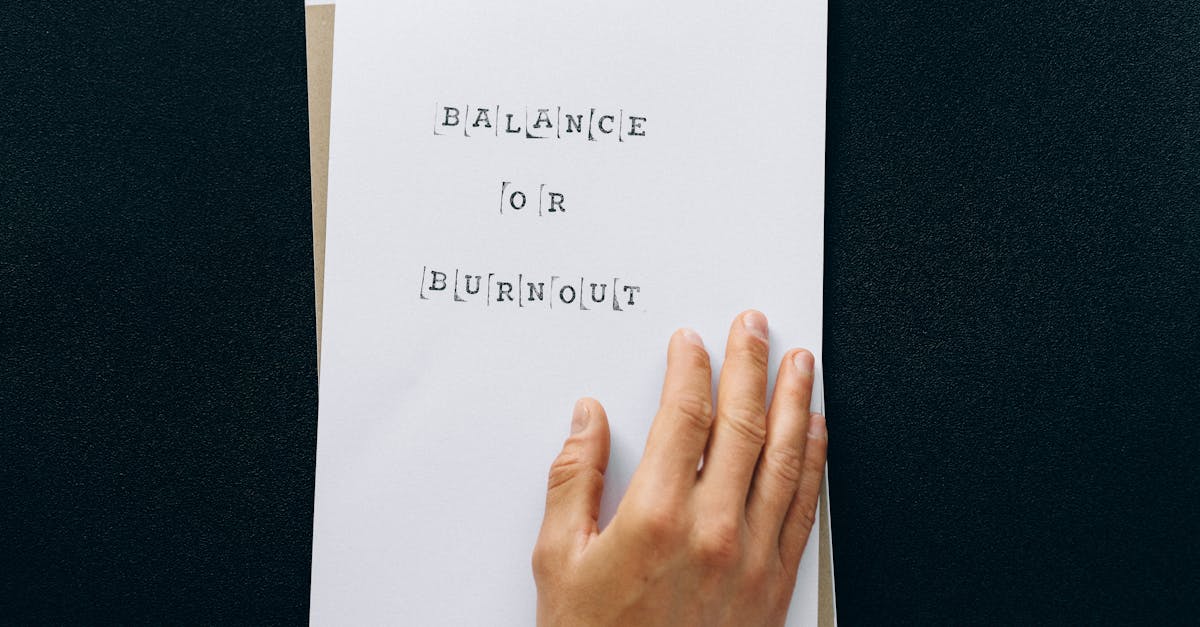
We’ve all been there: that moment when the pressure builds, deadlines loom, and your to-do list seems to multiply before your eyes. You feel that familiar knot in your stomach, the tension in your shoulders, and the frantic churn of thoughts. So, what do most of us do? We reach for the quick fixes. A five-minute breathing exercise. A guided meditation app. Maybe a warm bath or a distraction like scrolling social media. And for a fleeting moment, it might seem to work.
But then the stress returns. Often with a vengeance. The truth is, many of the popular stress-relief techniques we’re taught—while not inherently bad—are often misapplied or misunderstood. They treat the symptom without addressing the root cause, much like putting a band-aid on a gushing wound. In my experience working with countless individuals grappling with chronic stress, the biggest mistake is focusing solely on reactive coping mechanisms rather than proactive, preventative strategies that build resilience from the ground up. What changed everything for me, and for those I’ve guided, was shifting from a mindset of fighting stress to one of understanding and integrating it. It’s about building a robust internal system that can weather the inevitable storms, rather than just patching up the leaks as they appear.
Key Takeaways
- Most quick-fix stress relief methods only address symptoms, not the underlying drivers of chronic stress.
- True lasting calm comes from proactively building resilience through consistent, integrated practices, not reactive measures.
- Understanding your personal stress triggers and physiological responses is the first step to developing effective, tailored strategies.
- Actively processing emotions and learning to tolerate discomfort builds emotional strength, reducing the need for constant escape.
- Realigning daily actions with core values provides a powerful buffer against external pressures and perceived stressors.
The Trap of Reactive ‘Quick Fixes’
Think about the typical advice you hear when you’re stressed: “Take a deep breath,” “Go for a walk,” “Listen to some calming music.” These are excellent in moderation, but they become problematic when they are your only strategy. The mistake I see most often is that people use these techniques as a way to escape stress rather than to process it. When you rely solely on these reactive measures, you’re essentially telling your nervous system that stress is an emergency to be avoided at all costs. This can paradoxically make you more sensitive to stress over time. Every time you feel that familiar tightening, your brain immediately flags it as something dangerous that needs to be shut down or numbed. This short-circuits the natural process of emotional regulation and growth.
For example, I once worked with a client who would immediately reach for a meditation app every time she felt overwhelmed by her workload. She found temporary relief, but the underlying anxiety about her capacity and her boundaries at work never dissipated. When we shifted her approach to include daily, non-crisis journaling about her feelings and a weekly review of her work commitments against her personal capacity, the need for those urgent meditations significantly decreased. She wasn’t just reacting to the stress; she was proactively managing the inputs that caused it. The quick fixes have their place, but only once you’ve established a solid foundation of self-awareness and proactive management. Without that foundation, they’re merely temporary distractions, perpetuating a cycle of fight-or-flight.
Ignoring Your Unique Stress Signature
One size does not fit all when it comes to stress. Yet, most generic advice assumes it does. The hidden cost of this oversight is that you waste precious energy on methods that are misaligned with your unique physiological and psychological makeup. For instance, some individuals respond well to physical exertion when stressed, finding release and clarity in a high-intensity workout. For others, particularly those already experiencing adrenal fatigue, such an activity can further deplete their resources, pushing them closer to burnout. Similarly, while deep breathing is universally beneficial, the type of breathing, its duration, and the context in which it’s practiced can vary wildly in effectiveness.
What truly works is becoming a detective of your own stress. This involves two key steps: first, identifying your specific triggers. Is it tight deadlines? Certain personalities? Financial pressure? Public speaking? For me, it used to be the sheer volume of unread emails at the start of a week—a seemingly small thing that would instantly trigger a feeling of being overwhelmed. Second, understanding your physiological response. Do you clench your jaw? Get a headache? Experience digestive issues? Feel an irritable restlessness? Once you map these out, you can start to tailor your response. Instead of grabbing a generic stress ball, you might implement a specific 15-minute ‘email triage’ block first thing Monday morning to address that trigger directly, or incorporate jaw-release exercises if jaw clenching is your go-to tension response. This personalized approach isn’t about avoiding stress; it’s about understanding its language and responding intelligently, rather than blindly following a generalized script.
The Avoidance Trap: When ‘Relaxation’ Becomes a Form of Escapism
Many common stress-relief techniques, when misused, become potent tools for emotional avoidance. We reach for distractions—binge-watching, excessive scrolling, overeating, or even obsessive cleaning—under the guise of ‘relaxing.’ The problem isn’t the activity itself, but the intent behind it. If you’re using an activity to numb uncomfortable feelings or postpone confronting a difficult situation, you’re not actually relieving stress; you’re simply delaying its reckoning. This creates a psychological backlog, where unprocessed emotions accumulate, leading to chronic anxiety and a low-grade sense of unease that no amount of ‘relaxation’ can truly dissipate.
In my experience, the single most effective antidote to this avoidance is learning to sit with discomfort. This doesn’t mean wallowing in misery, but rather creating space to acknowledge and feel challenging emotions without immediately trying to change or fix them. A practical way to do this is through a daily ‘emotional check-in.’ For 5-10 minutes, simply sit quietly and ask yourself: “What am I feeling right now? Where do I feel it in my body? What is this sensation telling me?” Don’t judge it, don’t analyze it, just observe it. Initially, this can feel incredibly counter-intuitive and even uncomfortable. But over time, you build an internal muscle that can tolerate emotional waves, rather than being swept away by them. This builds genuine emotional resilience, allowing you to respond thoughtfully to stressors instead of reacting impulsively or defensively. It’s the difference between perpetually fleeing from a shadow and turning around to see what’s actually casting it.
Neglecting the Foundational Pillars of Well-being
Imagine trying to build a sturdy house on quicksand. That’s what it feels like to attempt effective stress management without a solid foundation of basic well-being. Many people dive into advanced meditation practices or complex time management systems while neglecting the absolute basics: adequate sleep, nourishing food, regular physical movement, and genuine social connection. When these foundational pillars are shaky, your nervous system is already operating from a deficit, making it far more susceptible to even minor stressors.
For example, I’ve observed countless clients who complain of chronic stress and anxiety, yet consistently sleep less than 6 hours a night. No amount of mindfulness exercises will fully compensate for the profound physiological and cognitive deficits created by sleep deprivation. Your body needs sufficient rest to repair, consolidate memories, and regulate hormones—including those directly impacting your stress response. What actually works is ruthlessly prioritizing these non-negotiables. This might mean saying ‘no’ to an extra work project to ensure you’re in bed by 10 PM, or dedicating 30 minutes to prepare a healthy lunch instead of grabbing fast food. It sounds simple, but the consistent, daily commitment to these basics builds an incredible buffer against stress. When your body and mind are well-resourced, they are inherently more capable of handling life’s inevitable challenges, transforming ‘stress’ into mere ‘challenges’ that can be navigated with greater ease and clarity. It’s not glamorous, but it is profoundly effective.
The Mismatch Between Your Actions and Your Values
Perhaps the most insidious and often overlooked cause of chronic stress is a profound mismatch between how you spend your time and energy, and what truly matters to you. When your daily actions are out of alignment with your core values, it creates a subtle but persistent sense of unease, dissatisfaction, and internal conflict. This isn’t the acute stress of a deadline; it’s the gnawing, existential stress that whispers, “Is this all there is? Am I on the right path?” You might be incredibly ‘busy’ and productive, but if that productivity isn’t serving something meaningful to you, it becomes a source of stress rather than fulfillment.
For example, if you value creativity and connection, but your job involves long hours of solitary, highly structured administrative tasks, you’ll likely feel drained and stressed, even if you enjoy aspects of the work. No amount of deep breathing will fully resolve that fundamental misalignment. What actually works is a conscious, deliberate effort to bridge this gap. This involves first identifying your core values (e.g., integrity, family, creativity, service, autonomy). Then, conduct an ‘audit’ of your daily and weekly activities. Where are you spending your time, money, and energy? Are those expenditures reflecting your values? If not, identify small, incremental ways to shift. This might mean dedicating one evening a week to a creative hobby, volunteering for a cause you believe in, or even exploring career shifts that offer greater autonomy. When your life begins to reflect your deepest truths, a profound sense of peace and purpose emerges, acting as an incredibly powerful stress buffer. You’re no longer fighting against yourself; you’re living in harmony with your authentic self, which is the ultimate form of stress resilience.
Frequently Asked Questions
How can I identify my specific stress triggers and physiological responses?
Start by keeping a ‘stress journal’ for a week or two. Each time you feel stressed, jot down: 1. What just happened or who was involved? 2. What thoughts were you having? 3. What physical sensations did you notice (e.g., tight shoulders, racing heart, clenched jaw)? 4. What was your immediate emotional response? Over time, patterns will emerge, helping you pinpoint specific triggers and your body’s unique reactions.
Is it ever okay to use ‘quick fixes’ for stress relief?
Absolutely. Quick fixes like deep breathing, a short walk, or listening to music are excellent for acute stress or as a temporary reset. The key is to use them mindfully as tools for self-regulation, not as a means to avoid or suppress emotions. They are most effective when integrated into a larger framework of proactive self-care and emotional processing, rather than being your sole strategy.
How do I learn to ‘sit with discomfort’ without feeling overwhelmed?
Start small. Choose a feeling of mild discomfort (e.g., boredom, mild impatience, a slight ache) rather than intense anxiety. Set a timer for 2-3 minutes. During this time, simply observe the sensation without judgment or trying to change it. Focus on where you feel it in your body. Notice its texture, temperature, and intensity. If your mind wanders, gently bring it back to the sensation. Gradually increase the duration as you become more comfortable. It’s like building a muscle – consistency over intensity.
What are the foundational pillars of well-being I should prioritize first?
The core pillars are: 1. Adequate Sleep: Aim for 7-9 hours of quality sleep nightly. 2. Nutrient-Dense Food: Focus on whole, unprocessed foods that fuel your body and mind. 3. Regular Movement: Incorporate daily physical activity that you enjoy. 4. Meaningful Connection: Nurture relationships that provide support and joy. Address these areas consistently before adding more complex stress management techniques.
How can I align my daily actions with my core values?
First, identify 3-5 core values that truly resonate with you. Then, for a few days, track how you spend your time and energy. At the end of each day, reflect: “Did my actions today reflect my values?” If not, identify one small, actionable step you can take the next day to bridge the gap. For example, if ‘connection’ is a value but you haven’t spoken to a loved one in days, commit to a 10-minute phone call. Consistent, small shifts lead to significant alignment over time.
Conclusion
True, lasting calm isn’t found in a five-minute app or a quick escape. It’s cultivated through a deliberate, integrated approach that understands stress not as an enemy to be vanquished, but as a signal to be understood. By moving beyond reactive quick fixes, understanding your unique stress signature, embracing discomfort, solidifying your foundational well-being, and aligning your actions with your deepest values, you build an internal resilience that transforms how you experience life. Your next step: Choose one foundational pillar of well-being that you know needs attention – sleep, nutrition, movement, or connection – and commit to one small, consistent action for the next seven days. This simple, focused effort will begin to re-architect your relationship with stress, paving the way for a more genuinely calm and fulfilling life.
Written by Elena Ramirez
Mindfulness & Personal Growth
A former community organizer, Elena brings a compassionate and practical lens to personal development and sustainable living.